Materials & electrochemistry
Materials synthesis, physicochemical characterization and experimental analysis. A foundation in understanding how composition and structure shape performance.
 Ali Darwiche, PhD
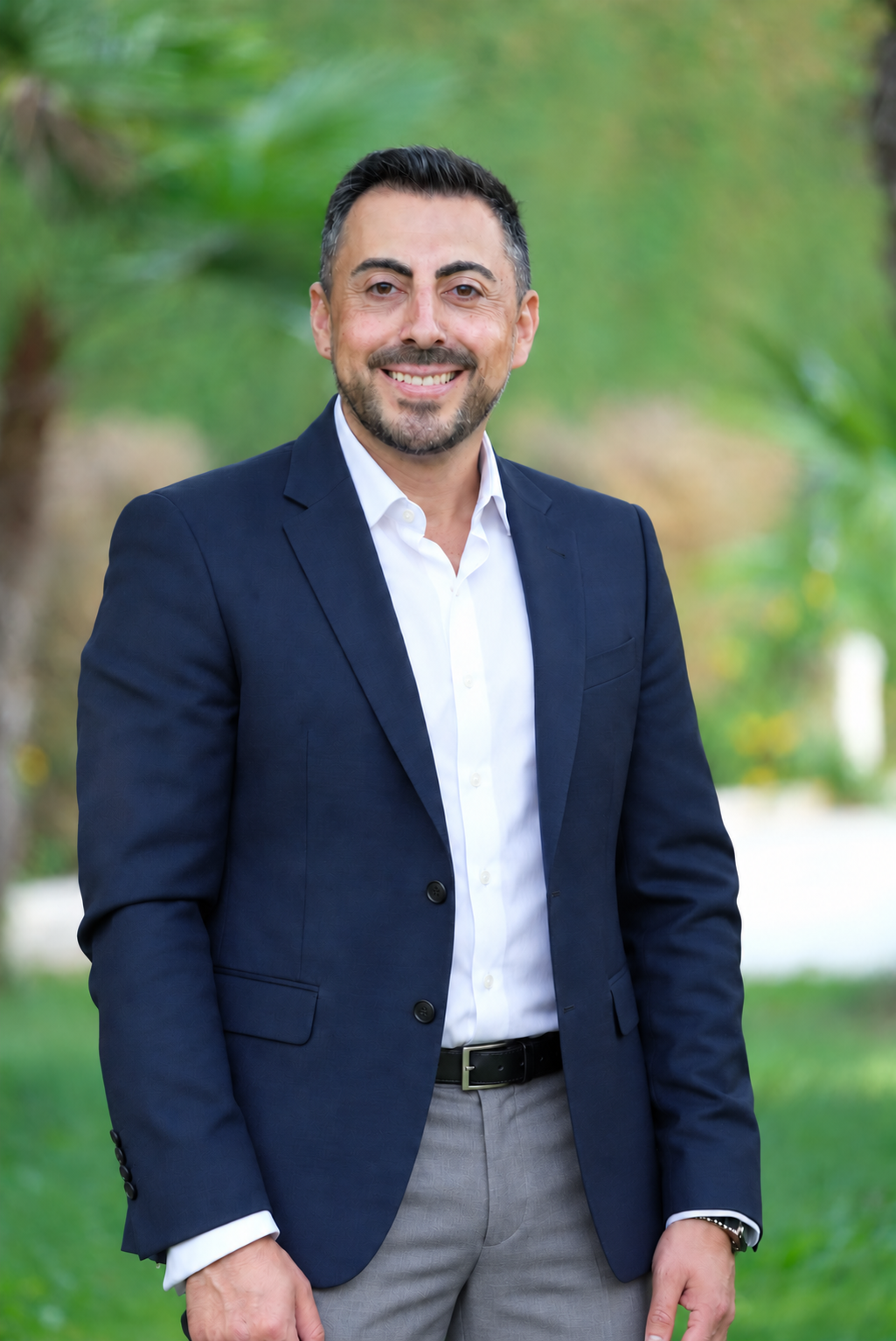
I’m Ali Darwiche, PhD. I bring materials science and battery development experience to technology decisions, research strategy and collaborative innovation.
↓
My background is in materials chemistry and electrochemistry, with experience spanning academic research, advanced battery development and scientific leadership.
Originally from Lebanon, where my education began, I continued my scientific journey through research in France and Canada and battery innovation in Belgium. I’ve worked across disciplines and cultures. I bring technical depth, structured thinking and clear communication to complex challenges.
My work connects scientific evidence with technology assessment, project development and partnerships—helping teams understand what is possible and how to move it forward.
Materials synthesis, physicochemical characterization and experimental analysis. A foundation in understanding how composition and structure shape performance.
Solid-state batteries, cell design, integration and testing. Connecting materials choices with cell performance and application needs.
Leading R&D activities, assessing emerging technologies and translating complex evidence into clear priorities for technical teams and decision-makers.
Shaping collaborative projects, building partnerships and coordinating proposals that align scientific ambition with practical objectives.
Areas for technical collaboration with battery developers, materials companies and research organisations—from assessing a technology to defining the next experiment.
Examine battery and materials claims in context: test conditions, maturity, performance trade-offs and the evidence still needed.
Focus: comparative reviews, evidence gaps and decision criteria.
Translate an application need into research priorities, cell-level objectives and a meaningful validation plan.
Focus: experimental roadmaps, test matrices and technical risk reviews.
Connect electrode formulation, electrolyte choices and interfaces with cell design and electrochemical behaviour.
Focus: development bottlenecks and structured improvement plans.
Shape scientific objectives, partner roles and work packages into a coherent proposal with measurable outcomes.
Focus: project concepts, proposal reviews and technical narratives.
A useful conversation starts with your application, available evidence and the decision you need to make. From there, we can explore a focused technical review, a research roadmap or a collaborative project.
Discuss a potential collaboration ↗Selected co-authored research and co-invented technologies, spanning electrode materials, reaction mechanisms, solid-state cells and material processing.
Research comparing antimony electrodes in sodium-ion and lithium-ion systems, connecting cycling behaviour with electrochemical reaction mechanisms.
Investigation of nickel phosphide as a negative electrode for lithium-ion and sodium-ion batteries.
Combining structural analysis and solid-state NMR to understand how antimony electrodes transform during sodium storage. The work links intermediate structures with electrochemical behaviour.
Named co-inventor on the records below. These distinguish granted patents from published applications; the linked records provide their bibliographic details.
A purification process for raw carbon nanotubes, with relevance to conductive additives used in battery electrodes.
Method for the purification of raw carbon nanotubes
Original assignees: Hydro-Québec and Arkema France.
Cell architectures and preparation processes using inorganic particle–polymer composites.
Solid-state electrochemical cells, processes for their preparation and uses thereof
Original applicant: Hydro-Québec.
Electrode surface layers combining inorganic compounds and solid polymers for electrochemical cells.
Surface-modified electrodes, preparation methods and uses in electrochemical cells
Original applicant: Hydro-Québec.
Lebanese University
Master 1 in Chemistry · 2005
My roots and the beginning of my academic journey, before continuing into materials chemistry research internationally.
Doctoral training in materials chemistry and research in Montpellier, building expertise in electrochemistry and energy-storage materials.
Research experience at McGill University and Hydro-Québec, connecting electrochemistry with energy challenges.
Battery development and leadership at SOLiTHOR, spanning cell design, integration, testing and public funding.
English / Français / العربية
Exploring a battery technology, an R&D direction or a collaborative project?
Share the question you are trying to answer.